Discovering the Charm of Boutique Hotels: A Guide to Unique Stays
Discovering the Charm of Boutique Hotels: A Guide to Unique Stays
In the world of travel, accommodations have evolved far beyond the standard chain hotel experience. Today, discerning travelers seek more than just a place to sleep; they crave authenticity, character, and a connection to the destination. This shift has given rise to the boutique hotel movement, where each property tells its own story through design, service, and local immersion. Whether you are a seasoned globetrotter or planning your first getaway, understanding what makes these unique stays special can transform your journey. From personalized hospitality to architectural marvels, the allure of boutique hotels lies in their ability to offer an intimate escape from the ordinary.
One of the most compelling reasons to choose a boutique hotel is the emphasis on individuality. Unlike large hotel chains that often follow a uniform template, boutique properties are curated experiences. They often occupy historic buildings, repurposed warehouses, or modern structures that reflect the local culture. The decor is thoughtfully selected, blending vintage pieces with contemporary art, creating an atmosphere that feels both curated and comfortable. This attention to detail extends to the guest rooms, where no two spaces are exactly alike. Travelers who appreciate design and craftsmanship will find themselves immersed in a visual feast, from hand-painted murals to bespoke furniture.
Another defining characteristic of boutique hotels is their focus on personalized service. With fewer rooms than typical hotels, staff can devote more attention to each guest. This means anticipating needs, offering tailored recommendations, and creating memorable moments. Imagine arriving at a property where the concierge knows your name, remembers your preference for a quiet room, and has already booked a table at a local farm-to-table restaurant. This level of care fosters a sense of belonging and makes travelers feel like valued guests rather than just another reservation number. For those seeking a truly bespoke experience, the staff at boutique hotels often go above and beyond, arranging private tours, cooking classes, or even surprise amenities.
Location is another advantage that boutique hotels frequently leverage. Many are situated in vibrant neighborhoods away from tourist-heavy zones, allowing guests to experience the authentic pulse of a city. Whether it is a cobblestone street in a historic quarter or a trendy district known for its art galleries and cafes, these hotels place you at the heart of local life. This proximity to hidden gems—like family-run bakeries, independent bookstores, or secret gardens—enhances the travel experience. You are not just visiting a city; you are living in it, even if only for a few days. The sense of discovery and spontaneity that comes from staying in a well-located boutique hotel is invaluable.
Dining options at boutique hotels also tend to be exceptional. Many feature restaurants led by acclaimed chefs who emphasize seasonal, locally sourced ingredients. The menus are often inventive, reflecting the culinary heritage of the region while incorporating modern techniques. Breakfast might include freshly baked pastries from a nearby bakery, artisanal cheeses, and locally roasted coffee. Some properties even offer cooking demonstrations or wine tastings, turning a meal into an educational experience. For travelers who consider food an integral part of their journey, the gastronomic offerings at boutique hotels can be a highlight.
Sustainability is another growing trend within the boutique hotel sector. Many independent owners prioritize eco-friendly practices, from using renewable energy and reducing waste to supporting local artisans and farmers. By choosing a boutique hotel, you often contribute to a more sustainable tourism model. These properties are more likely to be deeply integrated into their communities, employing local staff and sourcing products from nearby businesses. This commitment to responsible travel resonates with modern visitors who want their spending to have a positive impact. The result is a stay that feels good not only for its comfort but also for its ethics.
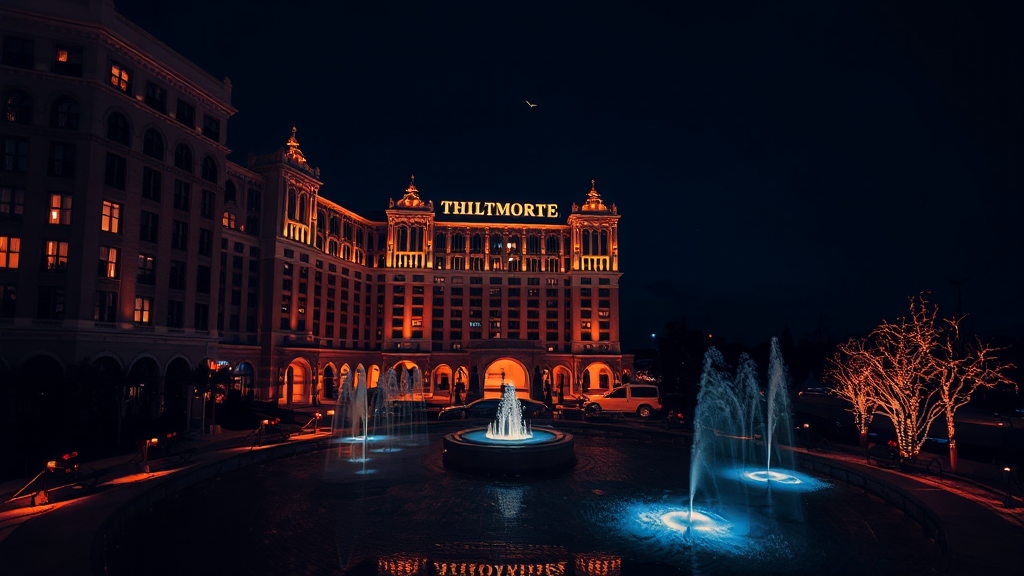
When planning your next trip, consider the transformative power of a boutique hotel. The experience goes beyond a comfortable bed and a clean bathroom; it is about the stories you collect, the people you meet, and the memories you create. For instance, a stay at a property like thebiltmorehotels exemplifies the fusion of elegance and local character that defines this category. Such establishments often host events that connect guests with local culture, such as live music nights, art exhibitions, or guided walking tours. These offerings enrich your travel experience, making it more meaningful and immersive.
In addition to the tangible benefits, boutique hotels often provide a sense of privacy and exclusivity. With fewer guests, common areas are rarely crowded, allowing for quiet relaxation. Whether you want to curl up with a book in a cozy library, enjoy a cocktail in a hidden courtyard, or have a conversation with a fellow traveler in a intimate lounge, the ambiance is conducive to unwinding. This tranquility is a welcome respite from the hustle and bustle of tourist attractions. For couples on a romantic getaway or solo travelers seeking solitude, the serene environment of a boutique hotel is ideal.
Technology also plays a role in enhancing the boutique hotel experience. Many properties offer high-speed Wi-Fi, smart room controls, and streaming services, ensuring that guests stay connected and comfortable. However, unlike some chain hotels that overwhelm with gadgets, boutique hotels integrate technology seamlessly, often with a focus on simplicity and elegance. You might find a tablet that controls lighting and temperature, or a curated playlist that sets the mood. These thoughtful touches demonstrate an understanding of modern traveler needs without sacrificing the human touch.
Finally, the value proposition of boutique hotels should not be underestimated. While they can be more expensive than standard accommodations, the cost often reflects the quality of materials, service, and location. Many travelers find that the unique experiences and personalized attention justify the premium. Moreover, boutique hotels frequently offer packages that include extras like spa credits, dining vouchers, or late checkout, adding further value. When you consider the overall experience—from the moment you step through the door to the time you check out—the investment in a boutique stay pays dividends in memories and satisfaction.
In conclusion, the world of boutique hotels offers a rich tapestry of experiences for travelers who value individuality, service, and authenticity. By choosing such a property, you open the door to a deeper connection with your destination. Whether you are drawn by the design, the cuisine, the location, or the ethos, boutique hotels provide a sanctuary that reflects the best of local culture and hospitality. As you plan your next adventure, consider the charm of a unique stay—it might just redefine the way you travel.
FAQs
What defines a boutique hotel?
A boutique hotel is typically a small to medium-sized property with a distinctive style, personalized service, and a strong connection to its local environment. Unlike chain hotels, they focus on individuality, often featuring unique architecture, curated decor, and a more intimate atmosphere. The number of rooms usually ranges from 10 to 100, allowing for a higher staff-to-guest ratio and more tailored experiences.
Are boutique hotels more expensive than regular hotels?
Boutique hotels can be more expensive per night compared to standard chain hotels, but the price often reflects the higher quality of materials, design, service, and location. Many travelers find the unique experiences and personalized attention justify the cost. Additionally, boutique hotels frequently offer value-added packages that include dining credits, spa services, or local tours, making them a worthwhile investment for a memorable stay.
What should I look for when choosing a boutique hotel?
When selecting a boutique hotel, consider factors such as location, design aesthetic, guest reviews, and the level of personalized service. Look for properties that highlight local culture, offer unique amenities like farm-to-table dining or art programs, and have a reputation for attentive staff. Reading recent reviews on trusted travel sites can give you insights into the guest experience. Also, check if the hotel aligns with your preferences, such as sustainability practices or quiet environments.
Do boutique hotels offer the same amenities as large hotels?
While boutique hotels may not have extensive facilities like large resorts (e.g., multiple pools or massive gyms), they often provide high-quality amenities such as gourmet restaurants, stylish bars, curated minibars, and personalized concierge services. Many also offer complimentary Wi-Fi, breakfast, and local experiences. The focus is on quality over quantity, so you can expect well-appointed rooms and thoughtful extras that enhance your stay.
Can boutique hotels accommodate families or business travelers?
Yes, many boutique hotels cater to families and business travelers by offering suites, connecting rooms, and workspaces with reliable internet. Some properties provide family-friendly activities or quiet corners for remote work. However, it is always best to check the specific hotel’s policies and amenities to ensure they meet your needs. Boutique hotels often pride themselves on flexibility, so they can often accommodate special requests with advance notice.
For readers who want to learn more about thebiltmorehotels, it helps to compare different approaches, read expert opinions, and consider how the topic fits into the broader general landscape.
Another key aspect of thebiltmorehotels is understanding how it relates to other topics in the same field. Many experts recommend starting with a clear overview before diving into specific techniques or strategies.
