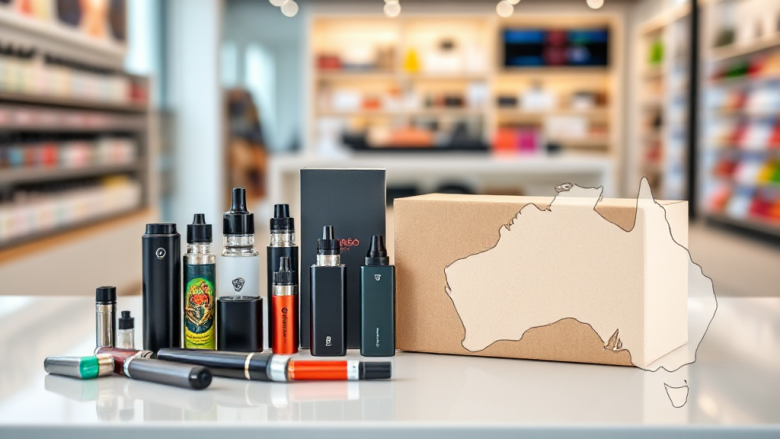
Cost Per Use: Budgeting for Disposable Vapes in Australia
You are standing in front of a display, weighing two options. One device costs less than a takeaway lunch. The other costs roughly the same as two weeks of groceries for one person. The cheaper one feels like the obvious win — until you start doing the maths on how long each one actually lasts. That is the moment the question changes from “what does it cost?” to “what does it cost me per day, per week, per puff?” If you have ever wondered whether the budget pick is genuinely the budget pick, you are already thinking like a cost-per-use buyer. This article is a straightforward budgeting exercise for anyone shopping for an Iget vape Australia shoppers regularly compare against other formats, and it is written for adults who want clear numbers rather than hype.
Why the Sticker Price Is Only Half the Story
Most vape purchases are framed around the upfront price. That number is easy to see and easy to compare. The problem is that it tells you almost nothing about value. A device that costs $10 and lasts two days is a very different proposition from a device that costs $35 and lasts two weeks, even though the second one looks more expensive at the counter.
To make a fair comparison, you need three inputs: the purchase price, the realistic lifespan in days, and how often you actually use the device. Once you have those, you can convert any product into a simple daily cost. That single figure cuts through most of the marketing noise. It also explains why experienced buyers tend to ask about puff counts and battery capacity before they ask about price.
This is where the format matters. Disposables are designed for convenience, and convenience has a cost baked into it. Refillable kits push more of the effort onto you, and that effort is usually rewarded with a lower cost per use. Neither approach is wrong. They simply sit at different points on the same budget line.
Running the Numbers on Disposable Devices
Disposables are the simplest format to budget for because there is nothing to maintain. You buy it, you use it, you replace it. The trade-off is that you are paying for the whole unit every time, including the battery, the housing and the coil, even though you only exhaust the e-liquid.
As a rough working example, imagine a mid-range disposable priced around $30 with a stated lifespan of roughly 3,500 puffs. If your usage works out to about 300 puffs a day, that device covers roughly eleven to twelve days. Divide $30 by twelve and you land near $2.50 per day. That is your baseline. Everything else gets measured against it.
The catch is that stated puff counts assume short, consistent draws. Real-world use often burns through a device faster, especially if you take longer pulls or chain-vape during a stressful week. A more honest planning figure might be nine or ten days instead of twelve. At ten days, the same $30 device costs $3 per day. That extra fifty cents adds up to roughly $15 a month — enough to notice.
This is why it pays to buy from a retailer that stocks authentic products with consistent performance. Counterfeit or poorly stored devices can underperform badly, which quietly inflates your real cost per use. Shopping with a reputable Australian seller gives you a more predictable lifespan, and that predictability is worth real money over a year.
Comparing Formats Without Guessing
Once you have a daily cost for disposables, you can slot other formats in beside it. Here is how the main options tend to stack up when you convert them to cost per day. disposable vapes Australia
Disposables: Highest convenience, highest cost per use. Best for people who want zero maintenance, travel often, or prefer not to carry accessories. The typical range lands somewhere between $2 and $4 per day depending on device size and personal usage.
Pod systems: Middle ground. You buy a reusable device once, then replace pods or coils as needed. The upfront cost is higher, but the ongoing cost per day usually drops well below disposables once you are past the first week or two.
Refillable kits: Lowest cost per use, highest effort. You buy e-liquid separately, replace coils periodically, and clean the tank. For a heavy user, the savings can be substantial over a month. For a light user, the difference may be small enough that convenience wins anyway.
The honest conclusion is that the “cheapest” format depends on your usage pattern. A light user who vapes occasionally may never recoup the upfront cost of a refillable kit. A heavy daily user almost always will. There is no universal answer, only your answer.
If you are comparing specific products and want to see how the numbers shake out across brands, browsing a range of vape australia options side by side is a practical starting point. Look at puff counts, battery capacity and price together rather than in isolation.
Hidden Costs That Wreck a Budget
The daily cost calculation is only accurate if you account for the costs that do not appear on the price tag. These are the ones that quietly turn a well-planned budget into a monthly overspend.
Shipping and delivery thresholds. A cheap device from a distant seller can become expensive once postage is added. Many Australian buyers now factor delivery into the total, and free shipping thresholds change the maths significantly. If you are ordering regularly, consolidating purchases to hit a free delivery minimum often beats placing small orders every week.
Failed devices and duds. A device that dies early effectively doubles your cost per use for that purchase. Buying authentic stock from a seller with a clear reputation reduces this risk more than any discount code will. alibarbar vape Australia
Flavour experimentation. Trying new flavours is part of the appeal, but buying five unfamiliar disposables at once and disliking three of them is a real cost. Buying one at a time to test is slower but cheaper.
Impulse buying. The biggest hidden cost is the unplanned purchase. A device bought on a whim at a premium price can cost double what the same product costs from a planned online order. Batching your purchases around a monthly budget, rather than buying reactively, is the single easiest way to cut cost per use.
These factors matter more than most people expect. A buyer who plans purchases, consolidates shipping and sticks to authentic products will often spend noticeably less per month than someone chasing the lowest headline price.
Building a Simple Monthly Vape Budget
A workable budget does not need a spreadsheet. It needs four numbers and a bit of honesty about your habits.
Start with your daily usage in puffs. If you are unsure, track it for three days and average it out. Next, work out your cost per day for your current device using the method above. Third, multiply that by thirty to get a monthly figure. Fourth, compare that monthly figure against what you actually spent last month. The gap between the two is usually where the savings live.
From there, you can set a realistic monthly cap. If your calculated cost is $75 a month but you have been spending $110, the difference is not willpower — it is usually unplanned purchases and shipping fees. Fixing those two things alone often closes most of the gap.
It also helps to think about what you are actually paying for. Disposables charge a premium for convenience. If convenience is genuinely valuable to you — travel, no maintenance, no accessories — that premium is justified. If it is not, you are paying for something you do not use, and that is the definition of poor value. Being honest about which camp you are in is more useful than any comparison table.
For buyers who want variety without committing to a full kit, mixing formats is a legitimate strategy. Use a refillable setup at home for the lower daily cost, and keep a disposable for travel. That hybrid approach often produces the lowest realistic cost per use for people with inconsistent routines. HQD vape
A Closing Reflection on Value
Cost per use is not about finding the cheapest product. It is about understanding what you are actually buying. A $30 device that lasts ten days and a $60 device that lasts twenty-five days can end up in the same place, and the only way to know is to do the division.
What usually separates a well-budgeted vaper from an overspending one is not the device they choose. It is the habits around the purchase — planning ahead, buying authentic stock, consolidating shipping, and being realistic about usage. Those habits matter more than brand loyalty or a few dollars off the sticker price.
So the next time you weigh a cheaper device against a pricier one, do the maths first. Divide the price by the realistic number of days. Compare that daily figure to your actual budget. If the numbers work, the purchase is justified. If they do not, no discount will save you. That is the whole exercise, and it is one you can repeat every time you shop.
Frequently Asked Questions
Is a disposable vape actually cheaper than a refillable kit?
Not usually on a cost-per-use basis. Disposables have the lowest upfront price but the highest daily cost, because you replace the entire unit each time. Refillable kits cost more initially but typically work out cheaper per day once you are past the first couple of weeks. The exception is light, occasional users, who may never use a refillable kit enough to recoup the upfront cost.
How do I calculate cost per use for a disposable?
Divide the purchase price by the realistic number of days the device lasts. Use a conservative lifespan estimate rather than the maximum stated puff count, because real-world usage often shortens it. For example, a $30 device lasting ten days works out to $3 per day. Multiply that by thirty to get your monthly figure.
Does buying in bulk reduce the cost per use?
It can, but only if you will genuinely use everything you buy. Bulk purchases often unlock free shipping thresholds and promotional offers, which lower the effective cost per device. The risk is buying flavours you do not enjoy or stock you will not finish before it degrades. Bulk buying works best when you already know exactly what you like.
Why does buying authentic stock matter for budgeting?
Authentic devices perform closer to their stated specifications, which makes your cost-per-use estimates more reliable. Counterfeit or poorly stored products often underperform or fail early, effectively increasing your real cost per day. Paying a little more for verified stock from a reputable seller is usually cheaper over a month than replacing duds.
What is the biggest budgeting mistake vapers make?
Unplanned purchases. Buying reactively, at whatever price is available at the time, usually costs more than planning a monthly order. Consolidating purchases, watching for free delivery thresholds and sticking to a set monthly cap typically saves more than chasing individual discounts.